Key Takeaways for enameled copper magnet wire
- 35.5 AWG Single Enamel Insulation Enameled Copper Magnet Wire should be reviewed against diameter accuracy, insulation condition, winding fit, and electrical compatibility.
- The source description identifies a listed 35.5 AWG conductor size, but missing values should be confirmed before purchase.
- Use application, material construction, form, and receiving checks together instead of selecting by product name alone.
What Is enameled copper magnet wire?
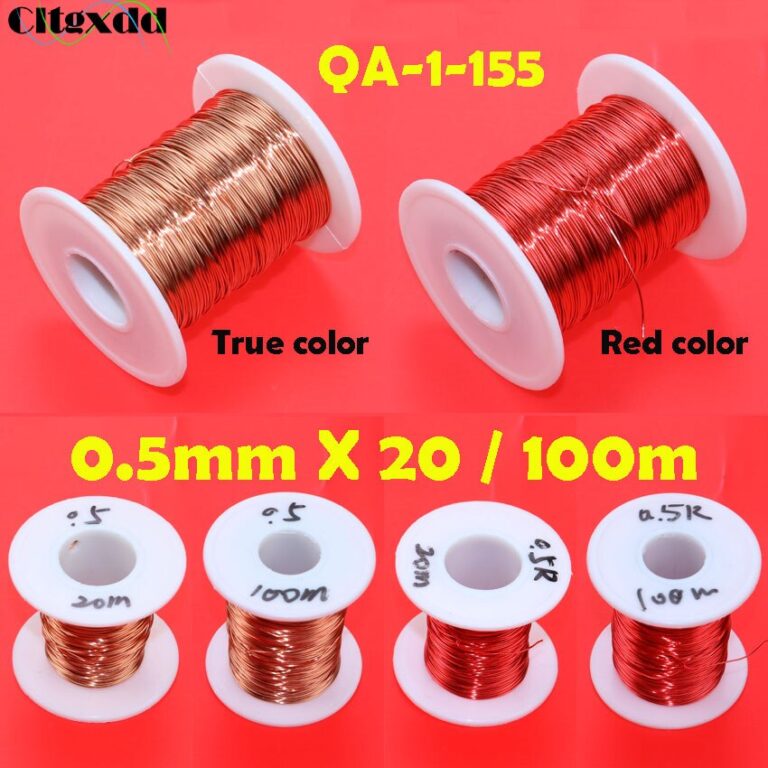
enameled copper magnet wire is copper conductor with enamel insulation for electrical winding used for coil winding, motors, transformers, inductors, electromagnets, and electrical repair. It matters because buyers need a practical way to connect the listed description with the real assembly, repair, or sourcing requirement.
35.5 AWG Single Enamel Insulation Enameled Copper Magnet Wire is intended for buyers who need diameter accuracy, insulation condition, winding fit, and electrical compatibility. The original listing information is best used as a starting point rather than as a complete engineering specification. LP Industry presents the material in a clearer purchasing format so technical teams can compare the stated construction with their drawing, repair requirement, or assembly method before selecting a source.
A Practical Overview for Electrical Buyers
In practical work, the choice should connect the listed form to the actual job: available space, the route or winding path, electrical duty, and the expected handling method. Reviewing these points early helps prevent a visually similar material from being used where its dimensions or construction are not appropriate.
The strongest sourcing decision starts with a short, factual brief. It should name the required size, the material type, the intended use, and any connection or handling limits that affect fit.
Specification Points to Confirm
Buyers should verify a listed 35.5 AWG conductor size, together with the final project requirement. Where a value is not stated in the source description, it should not be assumed. Common checkpoints include actual diameter or cross-section, insulation or surface condition, material type, reel or coil form, unit quantity, and the working environment. This keeps an inquiry focused on facts that can be checked.
- Use the stated size as the first fit checkpoint.
- Match the material construction to the electrical and mechanical duty.
- Confirm the needed length, weight, reel, coil, or rod format.
- Record any drawing, resistance, or connection requirement with the request.
Where This Material Is Commonly Used
This material can be reviewed for coil winding, motors, transformers, inductors, electromagnets, and electrical repair and other comparable tasks where the stated construction is suitable. The final selection depends on the assembly method, available room, routing or winding path, thermal exposure, and electrical requirements supplied by the equipment designer. For repair work, compare the original component dimensions and material behavior before replacing it. For production work, document the approved specification so subsequent purchases can be evaluated consistently.
Use-related decisions are strongest when the purchasing record includes the intended device, required form, quantity, and any limits around bending, winding, joining, or installation. A complete request gives the product source the information needed to check whether the listed construction is relevant to the application.
Production Considerations and Consistency
Material consistency is influenced by standard industry stages such as conductor drawing or alloy preparation, cleaning, annealing where applicable, insulation or enamel coating for insulated wire, controlled baking or curing, spooling, and visual inspection. For bare conductors, surface condition and orderly packaging remain important. These are general selection considerations, not a claim about a particular facility, certification, inventory level, or delivery schedule.
Before approving a material for repeated use, assess the sample or received goods against the project requirement. Confirm labeling, form, visible condition, and the dimensions or other criteria that are available for inspection. Keep the approved information with the drawing, bill of materials, or maintenance record.
A practical evaluation does not rely on one characteristic in isolation. A suitable size may still be unsuitable if the insulation, surface, format, or assembly method does not match the equipment. Likewise, a material that fits a prototype may need a separate review before it is selected for regular production. Document the relevant checks, retain any approved sample reference, and make the selection record available to both purchasing and the team that will use the material. This creates a more consistent basis for later orders and allows incoming goods to be reviewed against the same criteria.
Selection Checks Before Ordering
When comparing related electrical materials, begin with construction and intended use instead of broad sales terms. An insulated winding conductor is assessed differently from bare copper because insulation continuity is part of its function. Different diameters also serve different routing, winding, and current-carrying needs. The same disciplined comparison applies to coils and joining materials: fit, material compatibility, and practical operating conditions matter more than a short product name.
For related reference points, review metal foil products, enameled copper wire, and enameled wire products. These resources support a side-by-side review of conductor shapes and winding options within the LP Industry site.
Primary Tests and Verification
A practical incoming or sample evaluation can include dimensional measurement, visual inspection, conductor resistance, insulation continuity, pinhole detection, dielectric withstand where applicable, winding tension or bend checks, and temperature-related review for the intended duty. A stripping machine may require no-load operation, wire-size range verification, insulation-removal quality, repeatability, and electrical safety checks. A transformer may require ratio, polarity, no-load current, insulation resistance, dielectric withstand, and temperature-rise testing according to the approved design.
These tests are selection and quality-control examples rather than a statement that every listed item has passed every test. Record the method, equipment, acceptance limit, sample identification, and result so engineering and purchasing can make the same decision again.
Illustrative Case Analysis
Consider a small motor-repair team replacing a winding conductor. The original request may say only ‘enameled copper wire,’ but a stronger specification records diameter, insulation class, color, spool length, winding space, termination method, and the operating temperature supplied by the motor design. The team can then compare two candidate sizes, test fit on a sample stator, inspect the enamel after winding, and approve the option that meets the documented checks.
This example shows why the product concept, parameters, application, and verification method should stay together. The same approach works for transformer coils, inductors, electromagnets, fine repair jumpers, heating elements, and wire-preparation equipment.
Why Choose LP Industry?
LP Industry helps buyers turn a broad product search into a clearer sourcing request by organizing the relevant material, size, application, form, and verification questions in one place. The value is practical: better-defined inquiries, easier comparison between related products, and fewer avoidable assumptions about dimensions or performance.
For repeat purchasing, share the approved drawing, target quantity, packaging preference, and inspection requirements with the inquiry. This gives the sourcing team a usable record and allows LP Industry to respond to the actual application instead of a generic catalog phrase.
Prepare a Clear Purchase Request. Contact LP Industry with the required size, material preference, application, form, and quantity. Add any drawing, existing-part reference, fitting limit, winding dimensions, or operating information available from the project. A complete inquiry helps the product source review the request against the listed construction and gives your team a clearer basis for comparing suitable options.
How to Prepare a enameled copper magnet wire Inquiry
A useful inquiry gives the supplier enough detail to check the listed construction against the intended task. State the required size, material preference, application, form, and quantity. Add drawings, existing-part references, winding dimensions, fitting limits, or operating notes when they affect compatibility.
This direct format helps purchasing, engineering, maintenance, and receiving teams work from the same information. It also reduces the chance that a broad catalog name will be treated as a complete technical requirement.
Handling, Inspection, and Storage
Inspect received material for correct labeling, clean winding or packaging, consistent appearance, and obvious damage before use. Store coils, wire, rods, and related electrical materials in a dry, clean place away from avoidable contamination and mechanical damage. Keep material in its original reel, coil, or package until needed, and protect fine sizes from kinks, crushing, or unnecessary bending. These basic steps support orderly handling without making unsupported claims about product life or performance.
Questions Buyers Often Ask
Which details should be included in an inquiry?
Provide the product name, required size, intended application, preferred form, and quantity. Include a drawing or existing-part reference when it affects fit.
Can this material be selected by size alone?
No. Size is important, but material construction, insulation or surface condition, application, and working environment should also be reviewed.
What should receiving teams inspect first?
Check labeling, winding condition, visible insulation or surface damage, and the stated size before releasing the material for winding or assembly.
Relevant International Standards
Standards should be used as a verification framework, not as an assumed certification claim. For magnet and winding wire, buyers commonly review the applicable IEC 60317 specification, NEMA MW 1000 requirements, and the insulation thermal class framework in IEC 60085. IEC 60216 may also be relevant when thermal endurance data is part of the engineering review. The exact standard, grade, conductor size, insulation build, and test method must be matched to the product and project before any compliance statement is made.
For non-wire products such as stripping machines, transformers, cables, or welding materials, use the relevant equipment, electrical safety, EMC, or joining standard specified by the project owner. Ask for the applicable declaration, test report, or technical data sheet when a regulated market or customer qualification requires it.