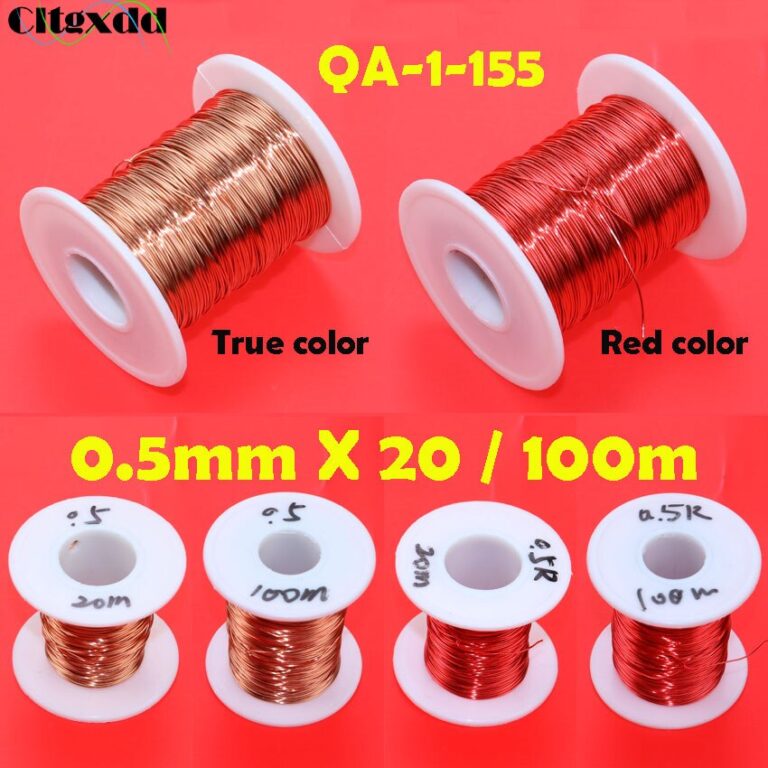
15 AWG Green Heavy Enamel Copper Magnet Wire is a practical product reference for motor winding, transformer coils, and high-temperature winding. The useful information in the original listing has been reorganized into a clearer engineering guide, with the product name, conductor size, insulation concept, application fit, comparison points, test items, and inquiry details separated for easier purchasing review.
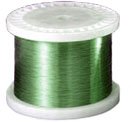
15 AWG Green Heavy Enamel Copper Magnet Wire
The product concept is based on a conductive copper core protected by an enamel insulation system. In winding and repair work, enamel insulation allows the conductor to be placed in compact coils without each turn shorting against the next turn. The exact selection still depends on diameter, insulation build, thermal class, soldering method, winding tension, bend radius, and the electrical load of the finished device.
For purchasing, the title should not be treated as a complete engineering drawing. It is a short specification summary. A confirmed order should include conductor size, material, insulation type, color where required, package length or weight, application, sample approval method, test requirement, and packaging method. These details reduce ambiguity between visually similar magnet wire and jumper wire products.
Product Concept and Construction
This product is a green heavy-enamel copper magnet wire with a 15 AWG conductor size.
The conductor provides the electrical path. The enamel layer provides turn-to-turn insulation, abrasion resistance during handling, and separation from adjacent conductive surfaces. For fine wire and repair wire, process stability is especially important because small changes in diameter, coating condition, or stripping method can affect soldering, resistance, and service reliability.
When the wire is used in coils, the final performance is not controlled by the wire alone. Coil geometry, number of turns, winding density, bobbin material, impregnation, cooling, and termination quality all influence the finished component. That is why an experienced supplier should discuss both the wire and the application before confirming production.
Key Parameters
| Item | Reference |
|---|---|
| Product | 15 AWG Green Heavy Enamel Copper Magnet Wire |
| Primary keyword | 15 AWG green heavy enamel copper wire |
| Listed specification | 15 AWG green heavy enamel insulated copper wire |
| Main application | motor winding, transformer coils, and high-temperature winding |
| Important confirmation | diameter, insulation condition, length or weight, thermal class, termination method, and sample approval |
Important parameters include nominal conductor diameter or AWG size, tolerance, insulation build, thermal rating, color, spool form, package length, resistance, elongation, adhesion, dielectric performance, and solderability where relevant. If these values are not shown in the listing, they should be confirmed before the wire is approved for repeat production.
Applications
It is reviewed for larger winding assemblies where conductor size and insulation protection must fit the available coil space.
- Small motors, transformers, inductors, relays, electromagnets, and compact winding assemblies.
- PCB repair, jumper connections, fine soldering work, and maintenance of electronic assemblies where the product type is suitable.
- Prototype coils, laboratory builds, model projects, and sample verification before larger production orders.
- Replacement sourcing when the buyer needs to match an existing conductor size, insulation color, package format, or winding behavior.
Performance and Comparison Points
Compared with bare copper wire, enameled copper wire is designed for insulated winding and compact electrical assemblies. Compared with PVC insulated hookup wire, magnet wire normally has a thinner insulation layer, making it suitable for higher winding density. Compared with aluminum magnet wire, copper magnet wire usually offers lower resistance at the same cross-section, while aluminum can reduce weight in selected designs.
Selection should be made by application rather than by title alone. Fine wire may be easier to route through tight spaces but more sensitive to handling damage. Larger AWG sizes can carry more current but need more winding space. A heavy-build or high-temperature insulation system can improve margin in demanding applications, but it may also affect outer diameter and winding density.
Standards and Testing
Common technical references for winding wire include IEC 60317 series requirements for winding wire types and NEMA MW 1000 practices used in magnet wire specification. Buyers may also request RoHS, REACH, insulation thermal class confirmation, and application-specific quality documentation. The exact standard should be selected according to the final market, voltage class, safety requirement, and customer drawing.
Useful incoming or sample tests include visual inspection, conductor diameter measurement, finished outside diameter measurement, resistance check, continuity, pinhole test, dielectric withstand where applicable, elongation, adhesion, flexibility, solderability, and winding trial. For production lots, test method, sample size, acceptance limit, and traceability requirement should be written into the purchase order.
Case Analysis
A buyer replacing wire in a compact coil may begin with the visible size and color, but that is not enough for stable sourcing. If the original wire has a different insulation build, soldering behavior, or thermal rating, the replacement can pass a quick visual check and still fail during winding, soldering, or temperature rise testing. A better process is to confirm dimensions, perform a small winding trial, check termination quality, and compare resistance before approving bulk purchase.
For repair applications, the risk is different. The wire may only carry a small current, but route length, insulation damage, flux residue, and solder joint quality can still affect reliability. In that case, handling, stripping, soldering temperature, and inspection under magnification become part of the product decision.
Why Choose LP Industry
LP Industry focuses on practical industrial sourcing rather than vague product descriptions. We help buyers translate a long marketplace-style title into a usable specification, compare conductor and insulation options, and identify the missing data that should be confirmed before production. This is important for magnet wire, jumper wire, and coil materials because small differences can change winding fit, electrical performance, or repair reliability.
We can support specification review, sample matching, packaging discussion, and application-based recommendations. For repeat orders, we recommend keeping an approved sample, product photo, label, drawing, and test record so future batches can be checked against the same reference.
Internal Product References
For related materials, review enameled wire products, compare options in enameled copper wire, and check lightweight alternatives under enameled aluminum wire.
Contact Us
Contact LP Industry with the product title, target application, conductor size, insulation requirement, quantity, package form, and any drawing or sample photo. We will help confirm whether 15 AWG Green Heavy Enamel Copper Magnet Wire matches your intended use and what information should be checked before ordering.