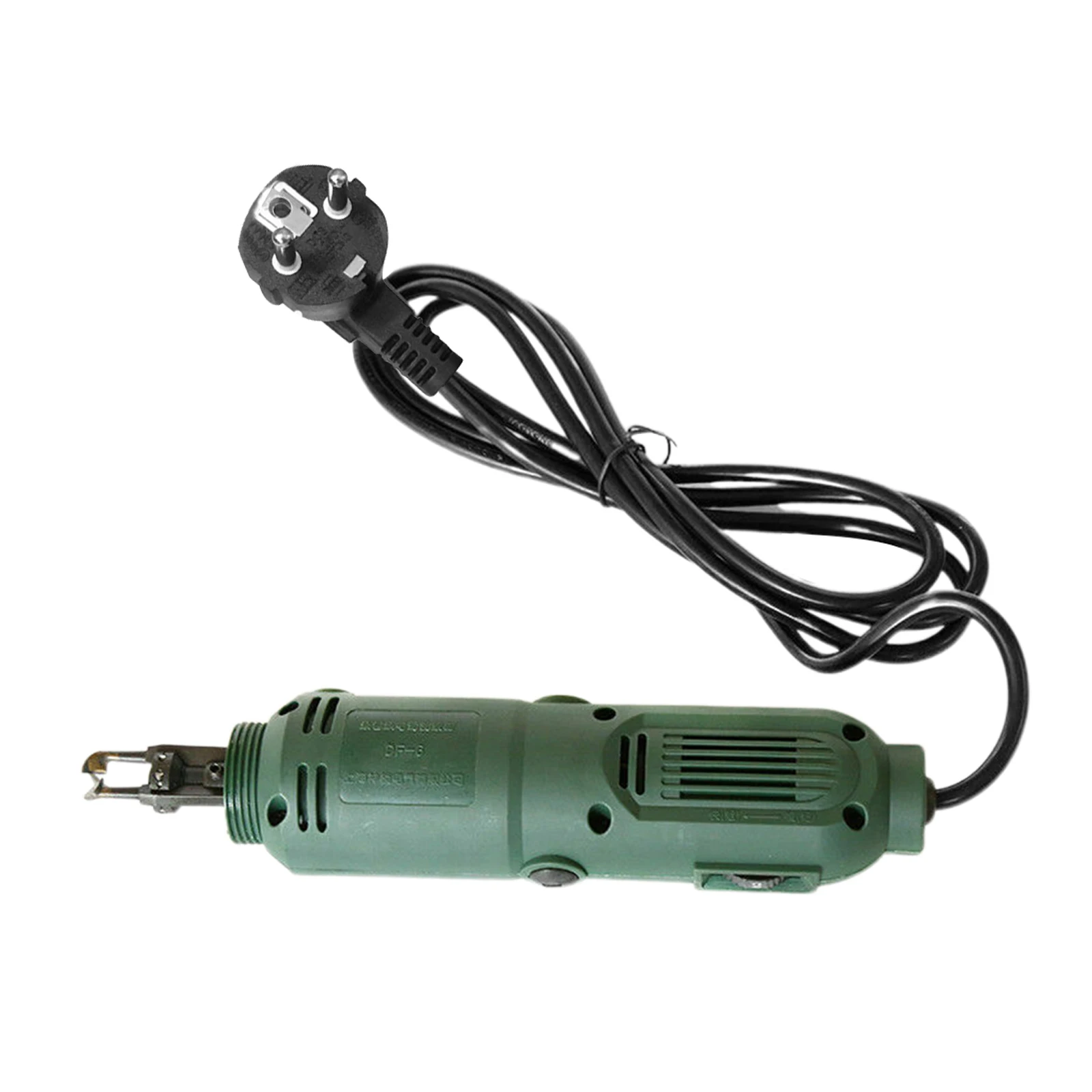
DF-8 Compact Enameled Wire Stripping Machine is a practical equipment reference for coil preparation, repair workshops, winding termination, and prototype wire preparation. This article explains the machine concept, operating parameters, application fit, comparison points, standards, inspection checks, and sourcing information without treating a marketplace title as a complete technical specification.
Key Takeaways
- DF-8 Compact Enameled Wire Stripping Machine should be reviewed against a compact DF-8 machine configuration for removing enamel from compatible copper wire.
- Wire-size range, power compatibility, operating method, stripping quality, and work volume should be confirmed before purchase.
- A sample trial and basic electrical-safety inspection are important before regular workshop use.
Product Concept and Construction
An enameled wire stripping machine is a preparation tool that removes enamel insulation from a conductor before soldering, crimping, winding termination, or electrical connection. The machine must remove the coating without cutting or deforming the copper core. Its practical value depends on compatibility with the wire diameter, insulation type, work speed, operator method, and connection process.
DF-8 Compact Enameled Wire Stripping Machine should be treated as a machine configuration reference, not as a substitute for a technical data sheet. Confirm the operating voltage, compatible wire range, cutter or wheel arrangement, feed method, adjustment method, supplied accessories, and intended duty cycle before ordering.
Important Parameters to Confirm
Confirm the listed model, input voltage, compatible conductor diameter, stripping length or adjustment range, operating method, power rating where stated, machine dimensions, replacement parts, and package contents. A tool designed for fine wire may not suit a larger conductor, and a machine that performs well in a sample trial may require a different setting for another enamel build.
| Parameter | Why it matters |
|---|---|
| Wire-size range | Determines whether the cutter, wheel, or guide can prepare the intended conductor. |
| Power and voltage | Controls electrical compatibility and installation requirements. |
| Stripping quality | Must expose the conductor without unacceptable nicking, flattening, or residual enamel. |
| Work volume | Connects the machine design to repair, prototype, or repeat production needs. |
Applications and Selection Fit
DF-8 Compact Enameled Wire Stripping Machine can be reviewed for coil preparation, repair workshops, winding termination, and prototype wire preparation. Typical users include winding technicians, repair workshops, laboratories, prototype teams, and production lines that need repeatable conductor preparation. Selection should consider the smallest and largest wire sizes, enamel hardness, required exposed length, operator training, workbench space, and the downstream soldering or crimping process.
- Confirm the actual wire diameter and insulation type before selecting the tool.
- Define the required exposed length and acceptable copper-surface condition.
- Check whether the machine is intended for occasional repair or repeated operation.
- Plan inspection and replacement of cutting or guide components.
For purchasing teams, the most useful inquiry is not only the model name. It should also describe the daily work volume, the number of operators, the smallest conductor to be handled, the largest conductor to be handled, the expected stripping length, and whether the prepared conductor will be soldered, crimped, welded, or mechanically clamped. These details prevent a compact bench tool from being selected for a workload that needs a more robust fixture, spare consumables, or a different preparation method.
Performance and Comparison
Compared with manual scraping, a dedicated stripping machine can improve repeatability and reduce operator variation when the wire range and settings are suitable. Compared with thermal or chemical stripping, mechanical preparation avoids introducing heat or solvent into the connection area, but it requires correct adjustment to prevent conductor damage.
Performance should be judged by exposed-length consistency, residual enamel, copper nicking, insulation debris, setup time, operator safety, and repeatability across the intended wire range. A higher nominal power rating does not automatically mean better results for fine conductors.
International Standards and Safety
For powered equipment, the buyer should review the electrical-safety, grounding, insulation, EMC, and machinery requirements applicable to the destination market and installation. Use the project owner’s required declarations, test reports, and voltage conventions. For the wire being prepared, the applicable IEC 60317 or NEMA MW 1000 reference may also be relevant.
Standards and declarations must be matched to the actual model and market. They should not be inferred from a product title or a general category description.
Primary Tests and Receiving Checks
Before release, inspect the machine for correct labeling, housing condition, guards, cable and plug condition, accessories, adjustment movement, and obvious shipping damage. Perform a no-load check where appropriate, then test representative wire sizes. Inspect the stripped ends under magnification for residual enamel, copper nicks, flattening, burrs, and inconsistent exposed length.
Record the input voltage, wire sample, setting, stripping result, operator, and acceptance limit. Repeat the test after a short operating period to identify heat, vibration, feed instability, or adjustment drift.
Maintenance planning should also be part of the receiving review. Keep a simple record for cutter wear, guide cleanliness, fastening condition, electrical cable condition, and any change in stripping quality. A machine that passes the first sample can still create defects later if residue builds up, the adjustment point loosens, or the operator changes the feed angle without documenting the setting.
Case Analysis
Consider a repair workshop preparing several enamelled conductors for small motor and transformer repairs. Manual scraping gives different exposed lengths and occasionally damages the copper, which leads to inconsistent solder joints. The workshop first records the wire range and required exposed length, then evaluates the machine using fine, medium, and larger samples.
The machine is accepted only after the stripped ends meet the agreed visual and electrical checks. The workshop keeps the approved settings with the wire specification and trains operators to inspect the first pieces of each batch. This creates a controlled preparation process rather than relying on the machine name alone.
Why Choose LP Industry
LP Industry helps buyers compare wire-preparation equipment against the real conductor and workflow. We can help organize wire-size requirements, operating voltage, stripping length, expected work volume, sample-trial criteria, replacement parts, and packaging questions.
For an inquiry, provide the wire diameter range, insulation type, exposed-length requirement, quantity, voltage, operating environment, and any drawing or sample. These details make it easier to determine whether the listed equipment is suitable for the intended workshop or production task.
Related LP Industry References
For related materials, review enameled wire products, compare enameled copper wire, and see LP Industry home. These internal references help connect wire preparation with the conductor and winding materials used downstream.
Contact Us
Contact LP Industry with the machine model, wire-size range, enamel type, input voltage, required stripping length, quantity, and sample photographs. We will help identify the checks needed before selecting DF-8 Compact Enameled Wire Stripping Machine for repair, prototype, or production work.