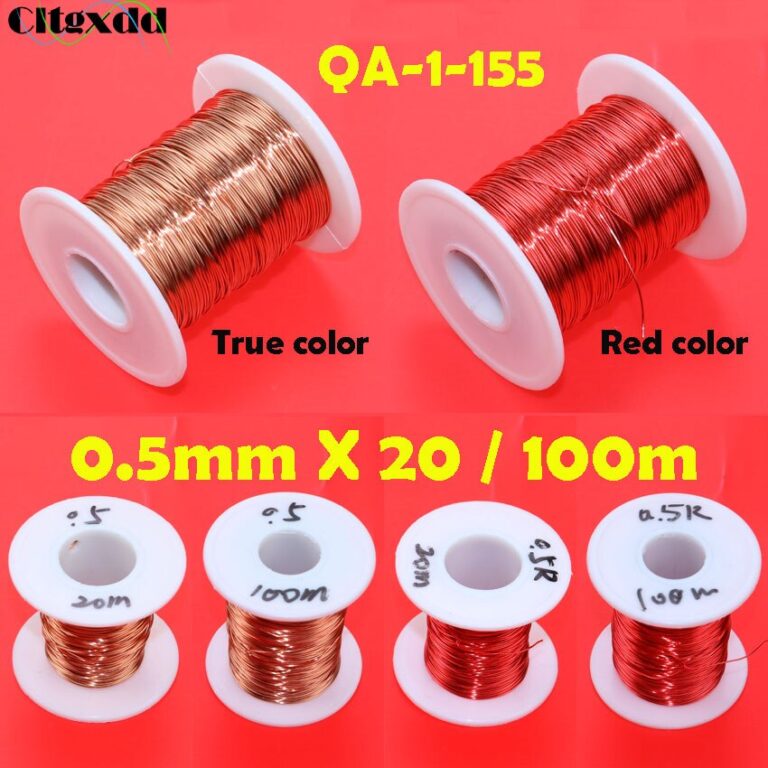
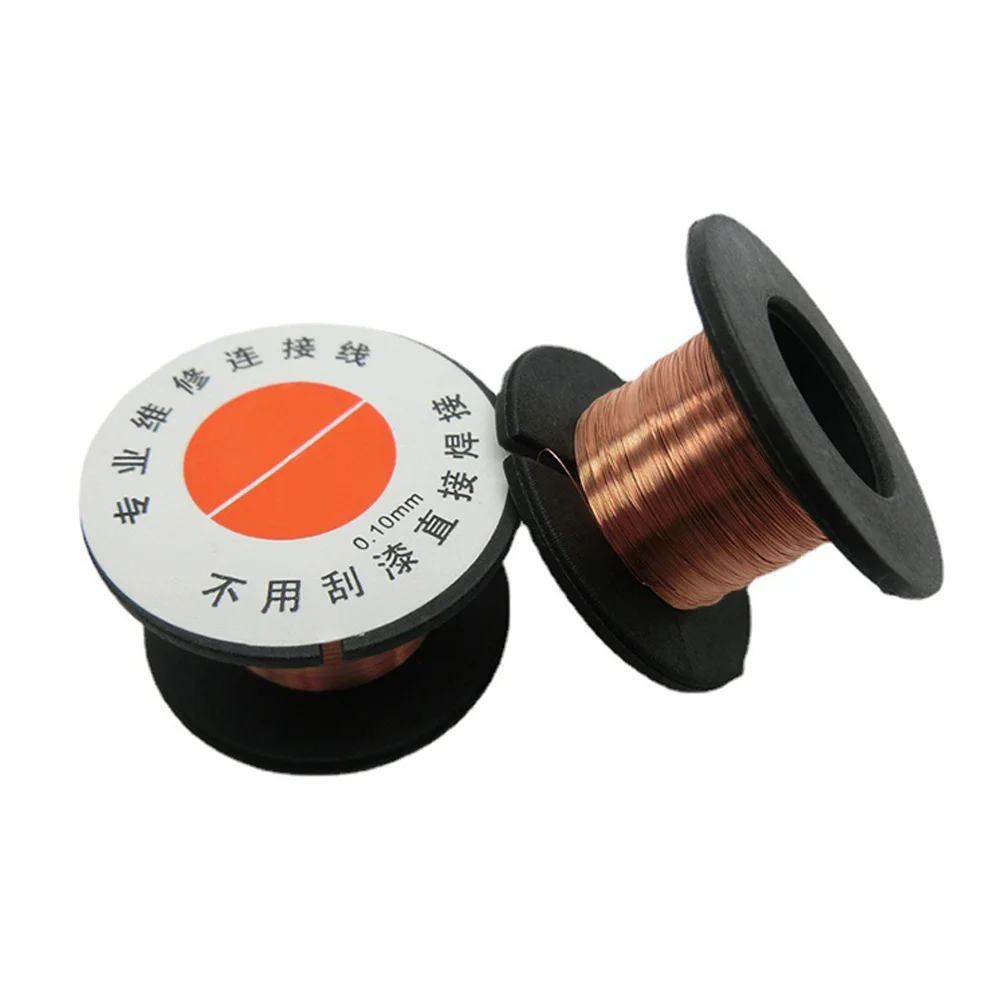
0.1mm Enameled Copper Magnet Wire for Electromagnet Coils is a practical engineering reference for electromagnet coils, motor models, repair work, and electrical prototypes. The original marketplace-style description has been reorganized into a clearer review of the conductor concept, stated parameters, application fit, comparison points, standards, tests, and purchasing checks.
Key Takeaways
- 0.1mm Enameled Copper Magnet Wire for Electromagnet Coils should be reviewed against a listed 0.1mm conductor and small-pack format for electromagnet and motor-model coils.
- Nominal diameter is only one selection point; insulation build, package format, winding method, and operating conditions also affect fit.
- Confirm missing technical values with a drawing, approved sample, or supplier data sheet before repeat purchasing.
Product Concept and Construction
Enameled copper wire uses a copper conductor covered by a thin insulating enamel system. The copper core provides the electrical path, while the enamel separates adjacent turns and helps the conductor fit into compact coils. This construction is different from bare copper and from thick PVC hookup cable, so the correct stripping, soldering, winding, and handling method must be selected for the actual assembly.
0.1mm Enameled Copper Magnet Wire for Electromagnet Coils is intended for electromagnet coils, motor models, repair work, and electrical prototypes. The listed product name should be treated as a starting specification rather than a complete engineering drawing. A purchase request should state the conductor size, insulation reference, color where relevant, length or weight, package form, target application, and required receiving checks.
Important Parameters to Confirm
The source description identifies a listed 0.1mm conductor and small-pack format for electromagnet and motor-model coils. Before approval, confirm conductor diameter or gauge, tolerance, finished outside diameter, enamel type, thermal reference, color, resistance, package quantity, spool or coil format, and termination method. If the listing gives a range, specify which exact size is required for the prototype or production order.
| Parameter | Why it matters |
|---|---|
| Conductor size | Controls winding fit, resistance, current capability, and space use. |
| Insulation system | Controls turn-to-turn isolation, stripping method, thermal margin, and abrasion behavior. |
| Package form | Influences handling, winding continuity, quantity control, and storage. |
| Application | Connects the listed material to the actual motor, coil, repair, or prototype requirement. |
For repeat orders, keep the approved sample, label, drawing, package photograph, and test record together. This reduces the risk of receiving a visually similar wire with a different diameter or insulation build.
Applications and Selection Fit
0.1mm Enameled Copper Magnet Wire for Electromagnet Coils can be evaluated for electromagnet coils, motor models, repair work, and electrical prototypes. Fine wire is useful in compact coils and repair routes but requires careful tension control and enamel protection. Larger conductors can provide more current margin but require more winding space. Thermal-class references are useful only when they match the temperature exposure and insulation system of the finished component.
- Compare the stated size with the winding window or routing space.
- Check whether the termination process requires mechanical stripping, thermal stripping, or direct soldering.
- Confirm the required length, weight, spool, reel, or sample quantity.
- Document the intended device so a general-purpose substitute is not approved without review.
Performance and Comparison
Compared with bare copper, enamel-insulated copper wire supports compact insulated winding and reduces turn-to-turn shorting risk when the coating is intact. Compared with PVC-insulated hookup wire, magnet wire generally uses a thinner insulation system and can provide higher winding density. Compared with aluminum wire, copper normally provides lower resistance at the same cross-section, while aluminum may reduce weight in selected designs.
Actual performance also depends on coil geometry, number of turns, winding tension, bobbin material, impregnation, cooling, termination quality, and the electrical load. A wire that fits a laboratory winding may still require a separate production review because temperature rise and mechanical handling can change at scale.
International Standards and Compliance
For magnet and winding wire, buyers commonly review the applicable IEC 60317 specification, NEMA MW 1000 requirements, and insulation thermal-class references in IEC 60085. IEC 60216 may be relevant when thermal-endurance data forms part of the engineering review. The exact standard, grade, conductor size, insulation build, and test method must be matched to the product and destination market.
Standards provide a verification framework and should not be treated as an automatic certification claim. Request the applicable declaration, test report, material data, or customer qualification document when the project requires it.
Primary Tests and Receiving Checks
Useful incoming or sample checks include visual inspection, conductor diameter measurement, finished outside diameter, resistance, continuity, pinhole detection, dielectric withstand where applicable, adhesion, elongation, flexibility, solderability, and a short winding trial. Check labels, package weight, spool length, color, and visible damage before the material is released to production.
Record the sample number, test method, equipment, acceptance limit, operator, and result. These are recommended quality-control checks and do not claim that every listed item has passed every test.
Case Analysis
Consider a repair team replacing wire in a small electromagnetic assembly. The original request may contain only a diameter and a color, but the replacement can fail if its enamel build changes the finished outside diameter or if its soldering behavior does not match the repair process. A stronger method records the original conductor size, insulation reference, winding space, operating temperature, termination method, package length, and inspection criteria.
The team can then test a short sample, compare resistance, perform a winding trial, inspect the coating after handling, and approve the option that meets the documented limits. This approach creates a repeatable basis for future purchasing.
Why Choose LP Industry
LP Industry helps buyers convert long product descriptions into usable sourcing information. We organize conductor size, insulation, application, package form, comparison points, test questions, and missing data so engineering, purchasing, maintenance, and receiving teams can work from the same brief.
For repeat supply, provide the required size, quantity, application, drawing, existing-part reference, operating conditions, and destination-market requirements. This allows the inquiry to be reviewed against the real assembly instead of a generic catalog phrase.
Related LP Industry References
For related categories, review enameled wire products, compare enameled copper wire, and see LP Industry home. These internal references support comparison of conductor construction and winding applications within the LP Industry site.
Contact Us
Contact LP Industry with the required diameter or gauge, insulation class, length or weight, application, quantity, package form, and any drawing or sample photo. We will help confirm the relevant parameters before ordering 0.1mm Enameled Copper Magnet Wire for Electromagnet Coils for repair, prototype, or production use.