0.8mm Enameled Copper Coil for Electromechanical Projects
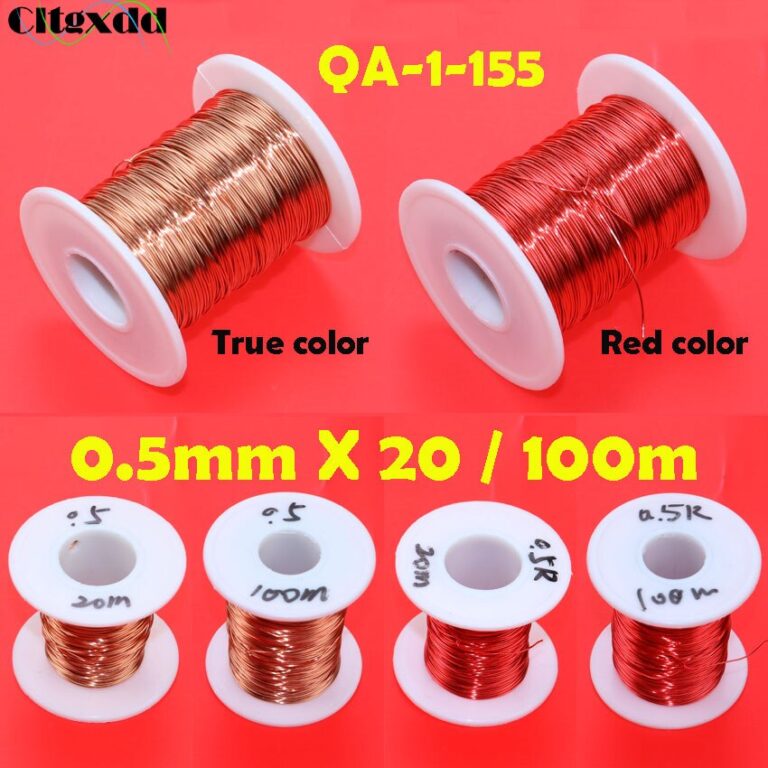
0.8mm Enameled Copper Coil for Electromechanical Projects is intended for buyers who need a clearly defined electrical material for electromechanical projects and coil replacement. The available description identifies 0.8 mm pure copper enameled winding wire formed as a finished coil. LP Industry presents the item as a practical sourcing reference: confirm the required dimensions, insulation or alloy condition, and end-use requirements before placing an inquiry. This approach helps purchasing teams compare compatible materials without relying on repeated listing language or unsupported performance claims.
Understanding the Material and Its Intended Use
In electrical and industrial work, the right material is selected by matching its construction to the job rather than by choosing on name alone. 0.8mm enameled copper coil should be considered alongside conductor or alloy type, working environment, connection method, and the equipment design. A specification review also makes it easier to avoid unnecessary substitutions when a project needs a consistent fit, reliable handling, and a repeatable assembly process.
Typical Industrial and Repair Uses
0.8mm Enameled Copper Coil for Electromechanical Projects can be reviewed for electromechanical projects and coil replacement and other comparable electrical or industrial tasks where the stated construction is suitable. The final choice should account for the assembly method, available space, routing or winding path, thermal exposure, and any electrical requirements supplied by the equipment designer. For service work, compare the original part dimensions and material behavior before replacing a component. For production work, document the selected specification so later batches can be checked consistently.
Specification Details to Confirm
Specification details should be confirmed against the current project drawing or repair requirement. The source description lists 0.8 mm pure copper enameled winding wire formed as a finished coil. Where a value is not stated, it should not be assumed. Buyers commonly verify actual diameter or cross-section, insulation or surface condition, material grade, unit format, and the intended operating environment. This makes the request easier to evaluate and keeps the final selection aligned with the equipment rather than a generic product label.
Buyer Benefits and Practical Considerations
For procurement and engineering review, the useful advantages are straightforward. The material format supports accurate cutting, winding, routing, or installation as appropriate to the application. Its stated enameled copper conductor construction gives buyers a defined starting point for comparison. A clear diameter or size reference supports compatibility checks, while a focused product description helps teams request the right form, quantity, and packaging for their work.
- Use the stated size as the first compatibility checkpoint.
- Match the material construction to the electrical and mechanical duty.
- Confirm the required length, weight, spool, or coil format before purchase.
- Keep the application and connection method visible in the buying specification.
Production Steps That Influence Consistency
Material consistency is influenced by standard production stages such as conductor drawing or alloy preparation, cleaning, annealing where applicable, insulation or enamel coating for insulated wire, controlled baking or curing, spooling, and visual inspection. For resistance materials, composition and diameter control are especially relevant; for winding materials, insulation integrity and orderly winding are equally important. These are general industry considerations, not a claim about a specific facility or certification.
Comparison With Related Electrical Materials
When comparing similar electrical materials, start with construction and intended use rather than broad sales terms. An insulated winding wire is evaluated differently from bare copper because insulation condition is part of its function. A resistance alloy should be compared with another resistance alloy using the design’s electrical and thermal requirements, not as a substitute for a conductor. Fine and larger diameters also serve different routing, winding, and current-carrying needs. This comparison method keeps the selection focused on compatibility and avoids assuming that related materials are interchangeable.
How to Choose the Appropriate Option
A practical buyer checklist begins with the required size and material, then checks insulation, surface finish, form, and intended use. Ask whether the material will be bent, wound, soldered, heated, or installed in a constrained area. Review the operating conditions and avoid treating a product name as a complete technical specification. When several sizes are possible, select the option that fits the design requirement and record the decision with the drawing, bill of materials, or maintenance note.
Quality Checks, Handling, and Storage
Inspect the received material before use for clean winding, consistent appearance, obvious surface damage, and correct labeling. Store coils, wire, and related electrical materials in a dry, clean place away from avoidable contamination and mechanical damage. Keep the material on its original reel or coil until required, and protect fine sizes from kinks or crushing. These basic steps support orderly handling without making unsupported claims about product life or performance.
Information to Prepare Before Purchasing
For a smoother purchasing process, prepare the application details before comparing offers. State the required diameter or size range, material construction, preferred reel, coil, or cut length, and the quantity needed for trials or production. Add any fitting limits, routing conditions, winding dimensions, or temperature considerations supplied by the project. This information is more useful than a broad request because it allows the product source to check the listed construction against the intended job. It also gives the buyer a clear record for reviewing samples, receiving material, and repeating an approved selection later.
Related Electrical Material Resources
For related electrical-material references, review the following resources:
- 300W British 6N oxygen-free copper OFC enameled wire ring transformer.
- QA-1-155-2UEW 1kg/roll 1.0/1.3/0.5/0.4/0.8/0.2/ 0.04 Cable Copper Wire.
- ChengHaoRan 20m Red Magnet Wire 0.8 mm Enameled Copper wire Magnetic.
Frequently Asked Questions
Which details should be included in an inquiry?
Provide the product name, the listed size or range, the intended application, required form, and the quantity needed. Include any drawing or existing part reference that affects fit.
Can this material be selected by diameter alone?
No. Diameter is important, but material type, insulation or surface condition, application, and working environment should also be reviewed before selection.
How can buyers compare similar options?
Compare the stated material, dimensions, construction, and intended use side by side. Confirm any requirement that is not shown in the source description before ordering.
Discuss Your Requirement with LP Industry
Contact LP Industry with your required size, material preference, application, and quantity. A complete inquiry allows the product source to review the request against the available description and helps your team move from a broad listing to a suitable purchasing specification.