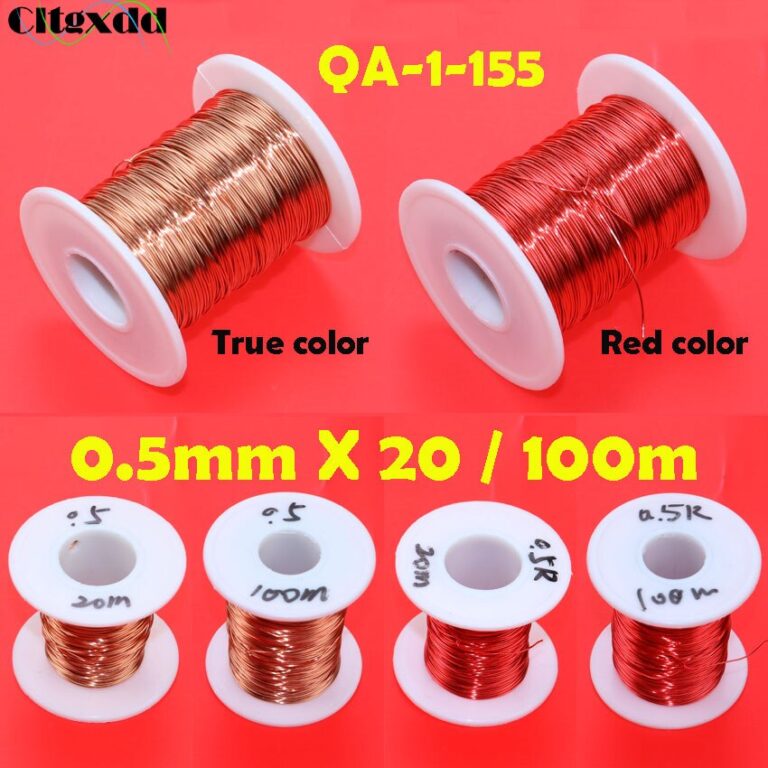
0.2-1.0mm Polyester-Imide Enameled Copper Magnet Wire is a practical sourcing reference for buyers who need transformers, inductors, relays, motors, and meter coils. The source description identifies 0.2 mm, 0.25 mm, 0.3 mm, 0.4 mm, 0.5 mm, 0.6 mm, 0.7 mm, or 1 mm size options. LP Industry recommends confirming dimensions, construction, the intended duty, and the required form before submitting an inquiry. This keeps the purchase decision tied to the actual assembly, repair, or production task instead of relying on a long catalog listing.
A Practical Overview of the Product
polyester-imide enameled copper magnet wire should be selected by its stated construction and working use. polyester-imide insulated copper conductor provides a starting point for comparison, while the equipment drawing, connection method, available space, and environmental conditions determine whether it is suitable. A short product name cannot replace this review. Buyers benefit from checking the specified size and material against the component being made, repaired, or installed.
Specification Points for Buyers
The available specification is 0.2 mm, 0.25 mm, 0.3 mm, 0.4 mm, 0.5 mm, 0.6 mm, 0.7 mm, or 1 mm size options. Treat this as the reference point for a project request and do not assume values not shown in the source material. A complete review normally checks actual diameter or cross-section, insulation or surface condition, product form, quantity, and installation space. When the product replaces an existing item, measured dimensions and the original application are useful for comparing fit and construction.
Where It May Be Considered
0.2-1.0mm Polyester-Imide Enameled Copper Magnet Wire can be evaluated for transformers, inductors, relays, motors, and meter coils and comparable work where the stated construction is appropriate. The final decision should consider electrical requirements, mechanical routing, winding geometry, heat exposure, joining method, and any limits from the equipment design. For service work, compare the original component carefully. For repeat production, record the approved specification so later material checks follow the same reference.
Why the Construction Matters
A defined material and size range makes procurement and technical review more reliable. The listed construction gives teams a consistent basis for comparing nearby options, planning the handling method, and describing the required product form. It also helps prevent a broadly named wire or cable from being treated as an automatic substitute when insulation, conductor shape, flexibility, or installation conditions differ.
- Use the stated size or gauge as the first compatibility check.
- Match conductor material and surface condition to the intended duty.
- Confirm spool, coil, cut length, or cable format before purchase.
- Keep the application and connection details in the inquiry.
A Selection Checklist
Start selection with the required size, material, and product form. Then ask whether the item will be bent, wound, routed, soldered, terminated, heated, or placed in a constrained path. Review the drawing and operating conditions before treating a familiar product category as a complete specification. Where several options appear possible, choose the one supported by the design requirement and document that choice with the bill of materials or maintenance record.
From Material to Finished Form
Conductor products are commonly prepared through material selection, drawing or shaping, cleaning, annealing where applicable, insulation or enamel coating for covered products, controlled curing, spooling or coiling, and visual inspection. These general production stages explain why diameter control, surface condition, and orderly packaging matter during receiving and installation. They are general industry considerations rather than claims about a particular facility or certification.
Comparing Similar Electrical Materials
Related electrical materials are not automatically interchangeable. Insulated winding material is assessed differently from bare conductor because its coating is part of its function. Round, square, and half-round profiles also behave differently in routing and assembly. Larger and finer sizes serve different space, handling, and electrical requirements. A side-by-side review of construction, dimensions, and intended use is more dependable than selecting by a repeated keyword or a product image alone.
Planning the Purchase Request
Clear project information makes sourcing more efficient. State the intended application, the listed size or range, material construction, quantity, and preferred packaging form. Add practical factors such as available winding space, route length, termination method, existing-part dimensions, or expected environmental exposure where relevant. For repair work, measured samples and photographs provide context; for production work, an approved drawing or bill of materials is a stable reference. Keeping critical requirements visible in the inquiry lets a product source compare the stated material with the job and lets the buyer evaluate the response against the real application. Before approval, separate confirmed specification details from preferences that can be discussed later. This helps the receiving team check labels and dimensions against the same request, while engineering can keep any critical electrical or mechanical limits visible. A clear record also supports repeat purchasing when the original project documentation is not immediately available. At receiving, compare the material label with the purchase request before cutting, winding, or routing it into an assembly. Check the package format, visible condition, and dimensions that can be confirmed without destructive testing. Where a product will be used in a controlled design, retain the approved sample or incoming inspection record with the drawing. These practical records make later troubleshooting and repeat procurement easier, especially when several similar wire types are stored in the same area.
Handling Material After Delivery
Before use, inspect received material for correct labeling, clean winding or coiling, consistent appearance, and visible damage. Store wire, cable, and similar materials in a clean, dry area away from crushing, sharp bends, and avoidable contamination. Keep fine material on its original reel until needed and protect surface finishes during handling. These simple controls support orderly receiving, storage, and installation without making unsupported claims about product life or performance.
Related Material References
These related LP Industry resources may help when comparing material categories or preparing a more complete request:
- enameled copper magnet wire options
- fine polyurethane enameled copper wire
- coil winding wire selection guidance
Buyer Questions Answered
Which details belong in an inquiry?
Provide the product name, listed size or range, intended application, required form, quantity, and any drawing or existing-part reference that affects fit.
Can selection be made by size alone?
No. Size is important, but material type, insulation or surface condition, application, and working environment should also be reviewed.
How should nearby options be compared?
Compare stated construction, dimensions, form, and intended use side by side. Confirm a requirement that is not shown in the source description before ordering.
Requesting Product Information
Contact LP Industry with the required size, material preference, application, product form, and quantity. A complete inquiry helps turn a broad listing into a clear purchasing specification for your project.